By Walker Schuchardt, western suburbs Realtor · Market data Aug 2026
Living in Winfield
Winfield started as Gary’s Mill, named for settlers Erastus and Jude Gary, who arrived in 1832. It was later called Fredericksburg before taking the name of General Winfield Scott. A first try at incorporation failed in 1884, and Winfield incorporated in 1921 with 310 residents. Real growth came after World War II, when the population rose from 714 in 1950 to 4,285 in 1970.
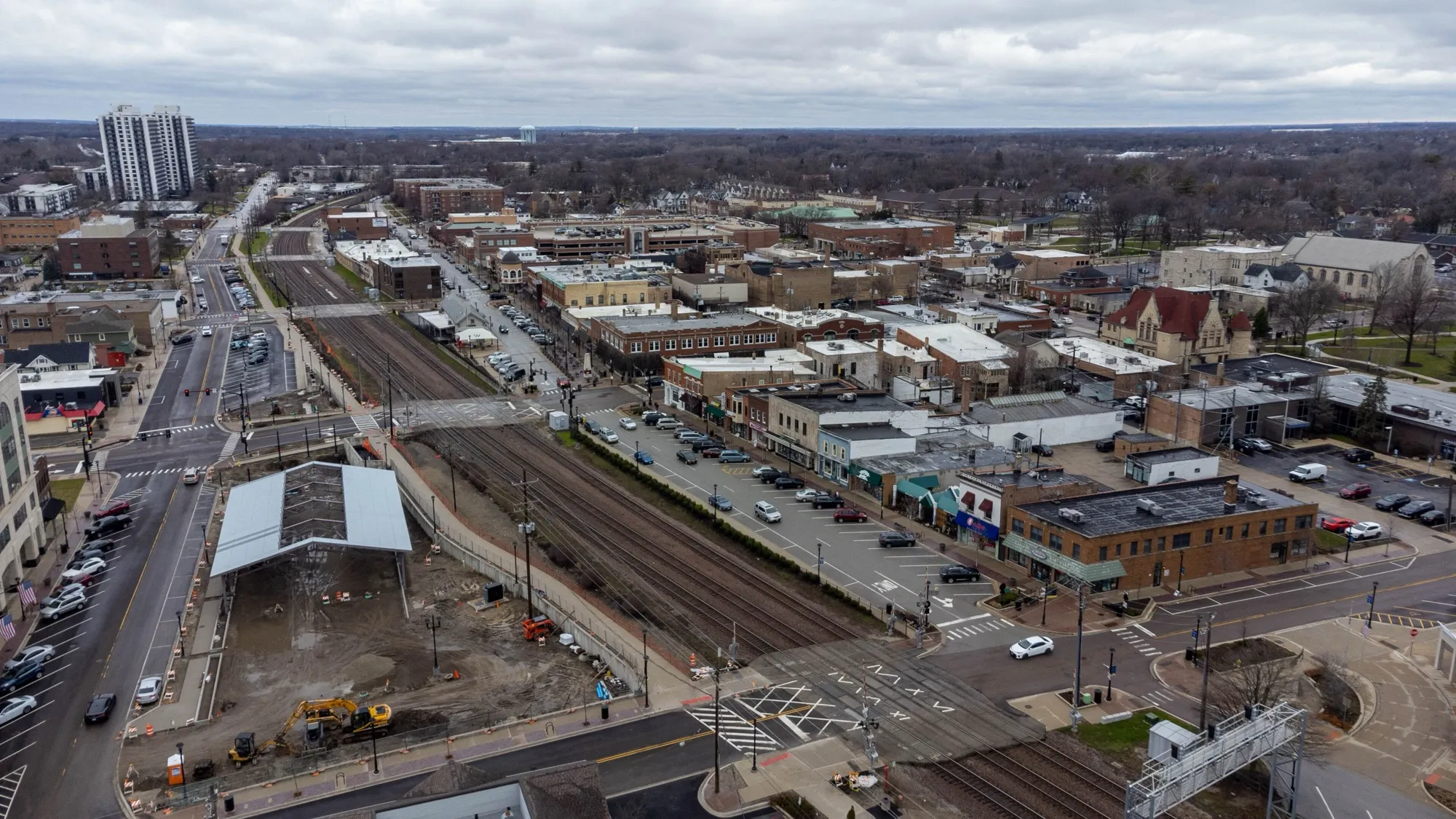
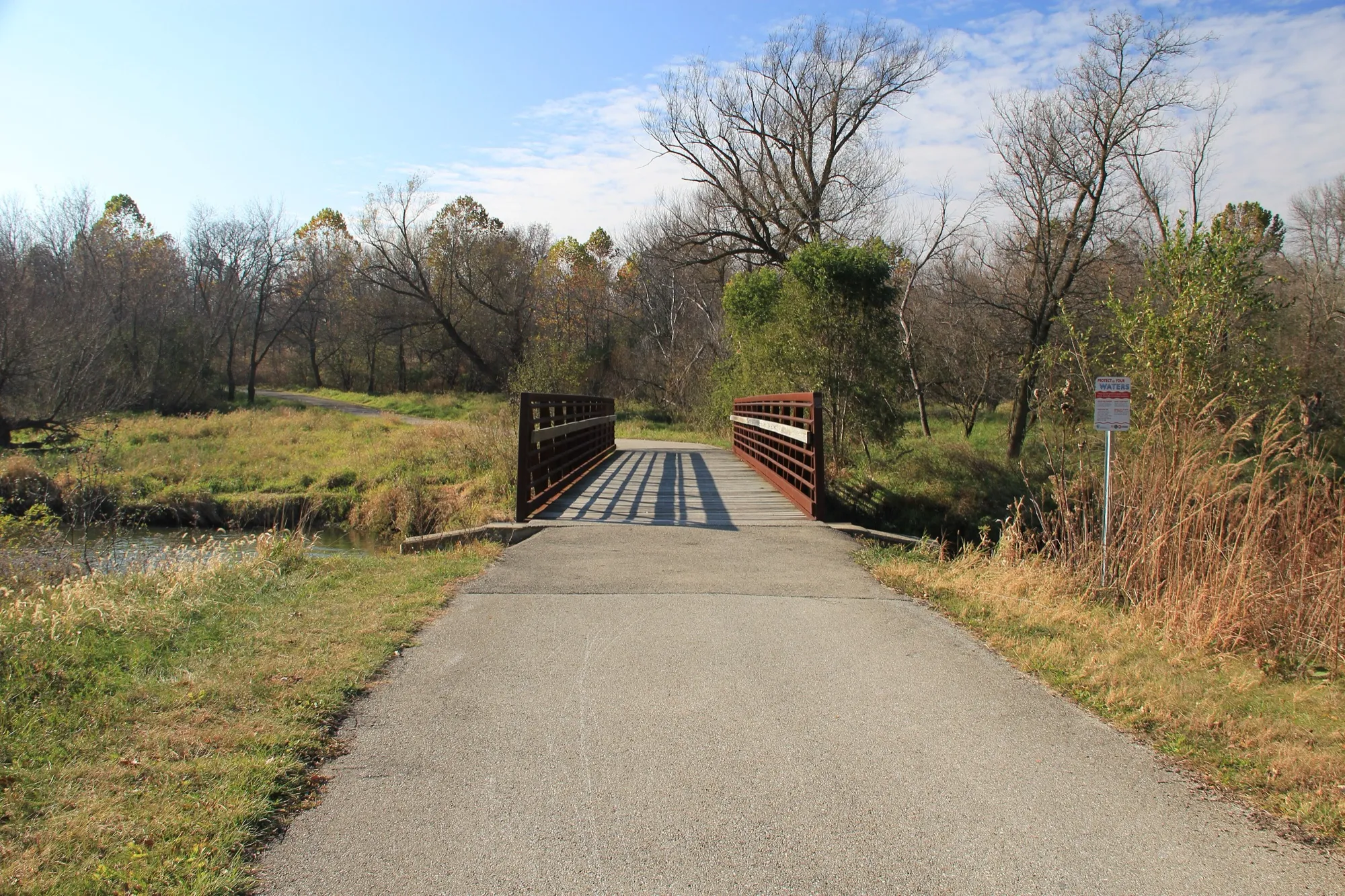
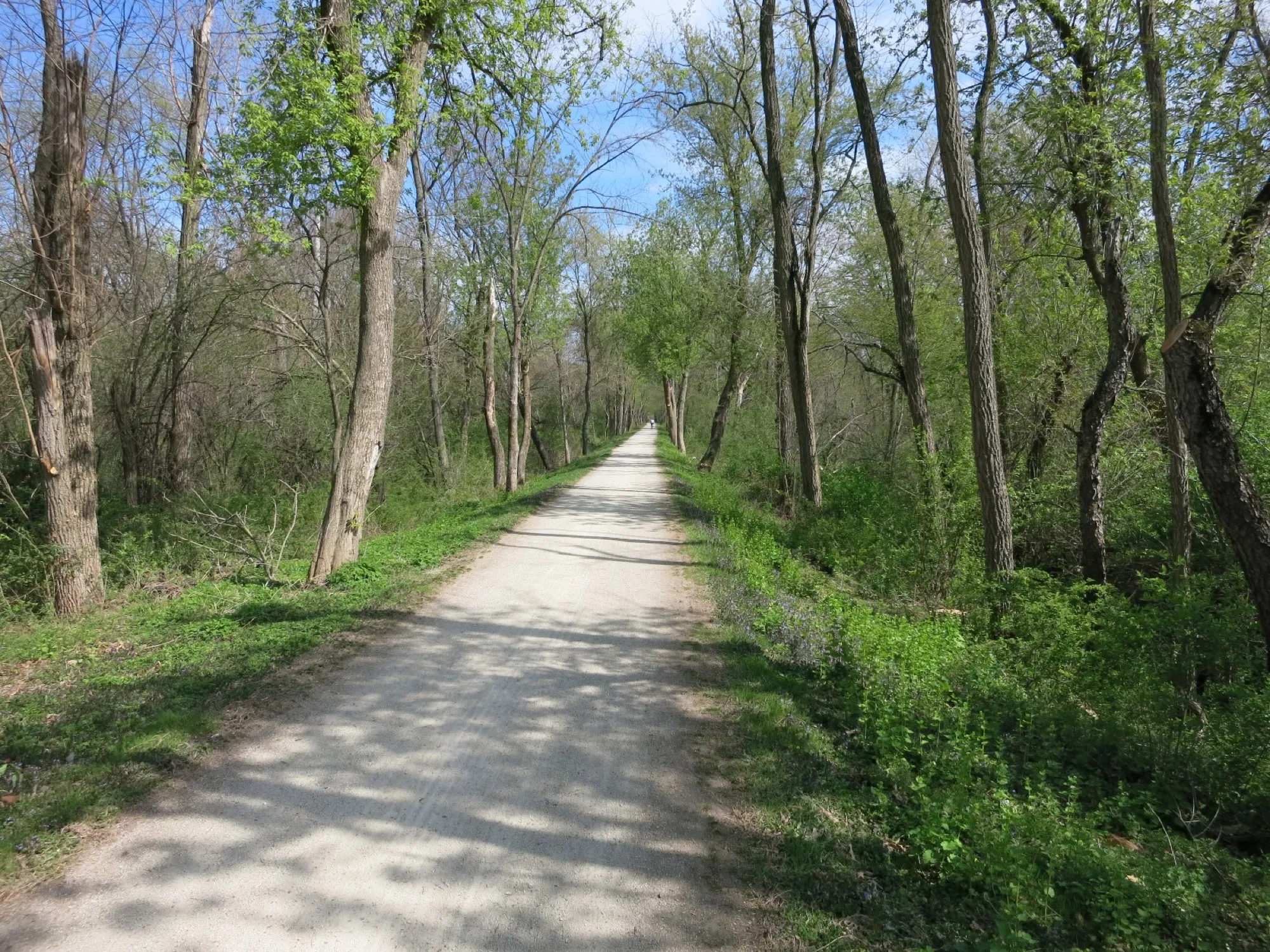
Winfield is mostly residential, with a small cluster of businesses near its Metra station and Northwestern Medicine Central DuPage Hospital on the east side of the village. The West Branch of the DuPage River runs through town, followed by the West Branch DuPage River Trail. Winfield Riverwalk Park opened in 2021 with trails, wetlands and a canoe and kayak launch. Winfield Mounds Forest Preserve holds Native American burial mounds, and Hedges Station, an 1849 depot, is now a museum.
The homes
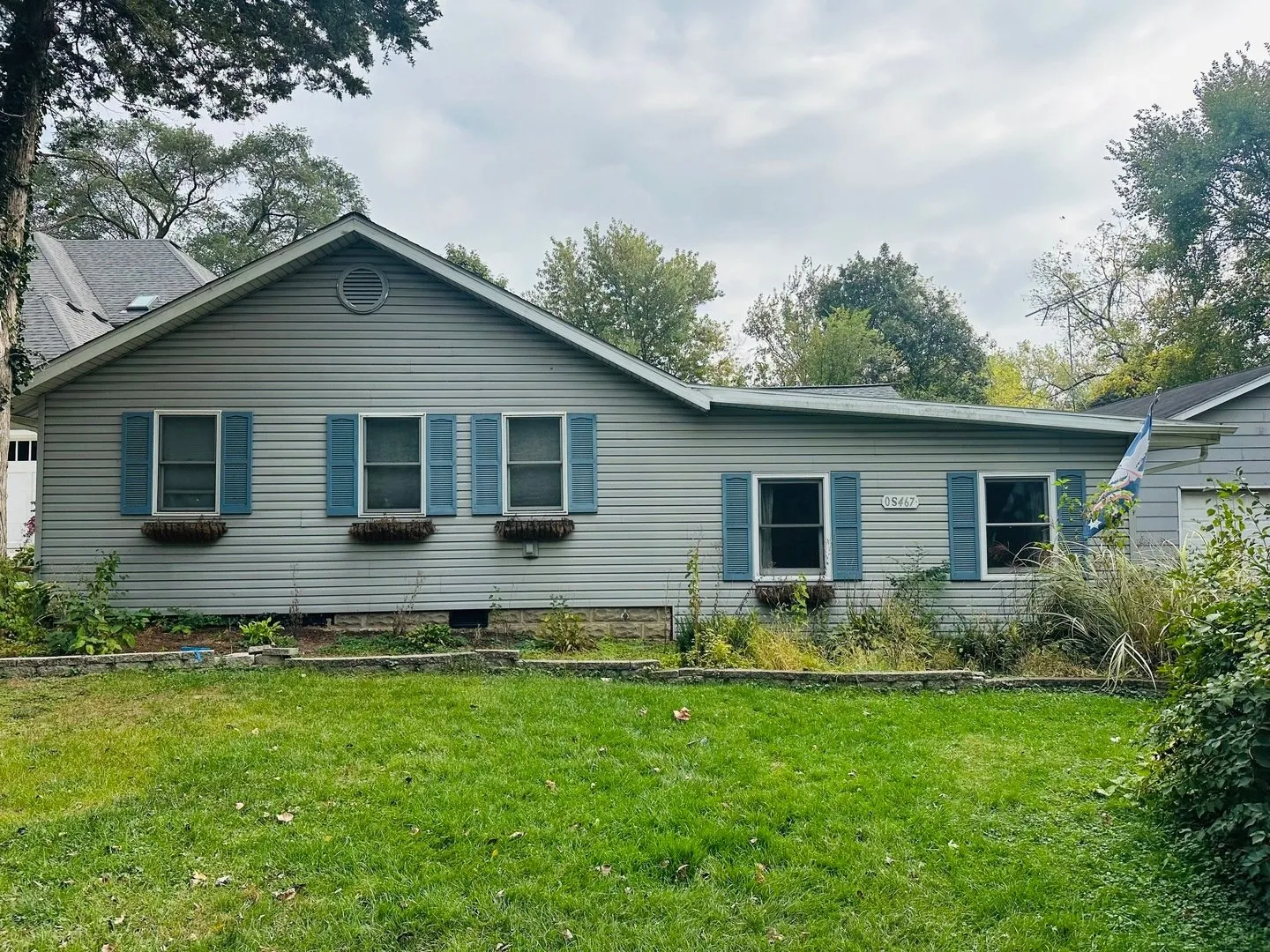
Winfield’s housing is newer than in Wheaton, Glen Ellyn or Lombard. The median home was built in 1986, and nearly half of all homes date from the 1980s and 1990s (Census ACS 2020–2024). About one in six homes went up in the 1950s and 1960s, during the village’s postwar growth, and only about 4 percent predate 1950. Building continued after 2000, with about one in five homes added in the 2000s and 2010s.
About two-thirds of homes are single-family detached houses. Attached single-family homes, the Census category that covers townhomes, make up about 20 percent, a higher share than in Wheaton or Glen Ellyn. Buildings with five or more units account for about 6 percent of homes.
Getting around
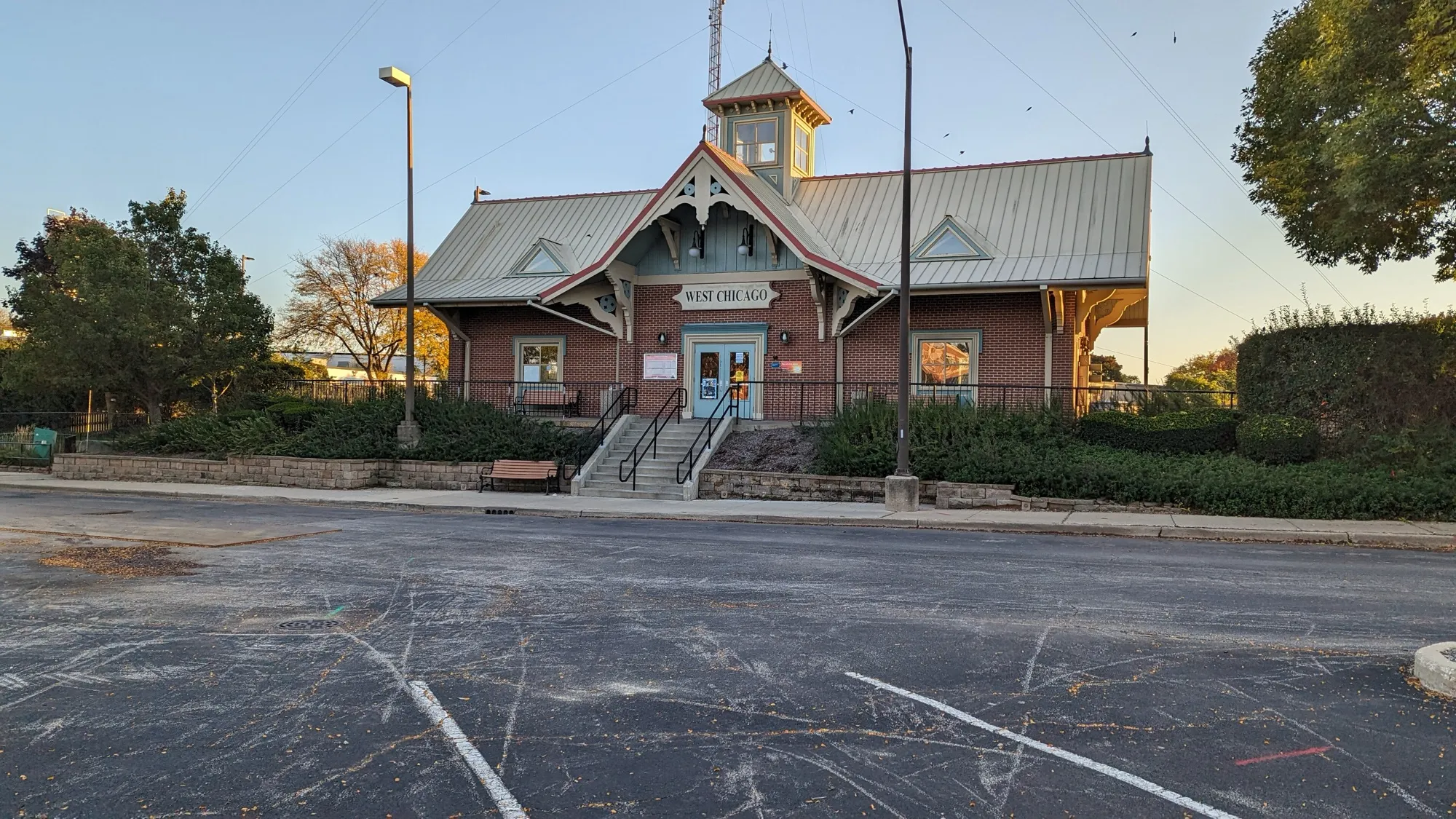
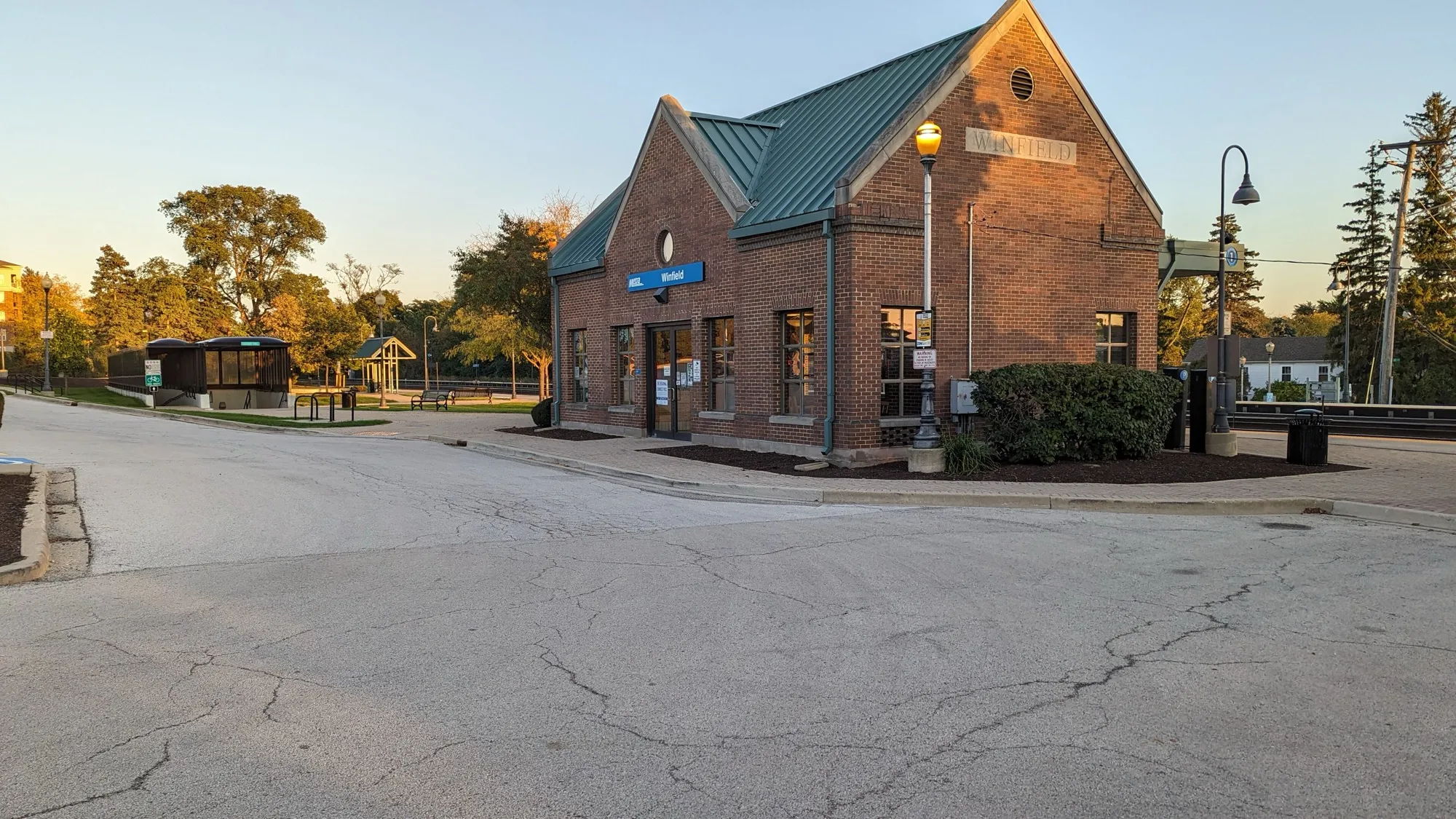
Winfield has its own stop on Metra’s Union Pacific West line, with service to Ogilvie Transportation Center in Chicago. Inbound weekday trains take about 64 minutes to Ogilvie, and the fastest makes it in 48. (Metra weekday schedule, October 2026.)
Schools
Much of Winfield is served by Winfield School District 34 for elementary and middle school. High school assignment varies by address, so Walker confirms the schools for each property.