By Walker Schuchardt, western suburbs Realtor · Market data Aug 2026
Living in Campton Hills
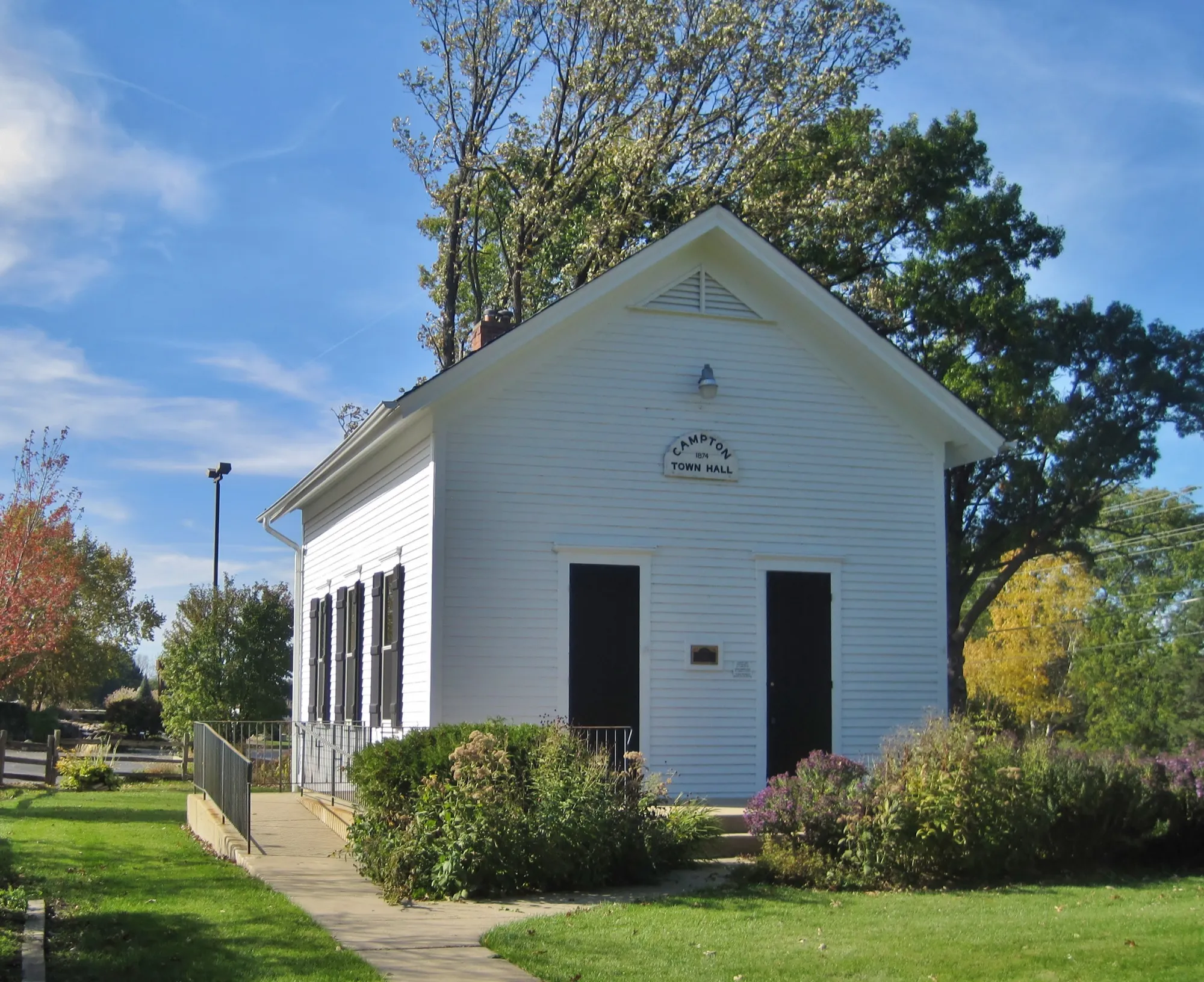
Campton Hills became a village in 2007, when about 20 square miles of unincorporated Campton and Plato townships incorporated to keep their semi-rural character. It sits west of St. Charles, with Elgin to the north and Elburn to the south. There is no traditional downtown. The old crossroads of Wasco, on Route 64 near the center of the village, has a post office, a church from 1891 and a school building from 1906. Campton Town Hall, nearby, has been in continuous use since 1874.
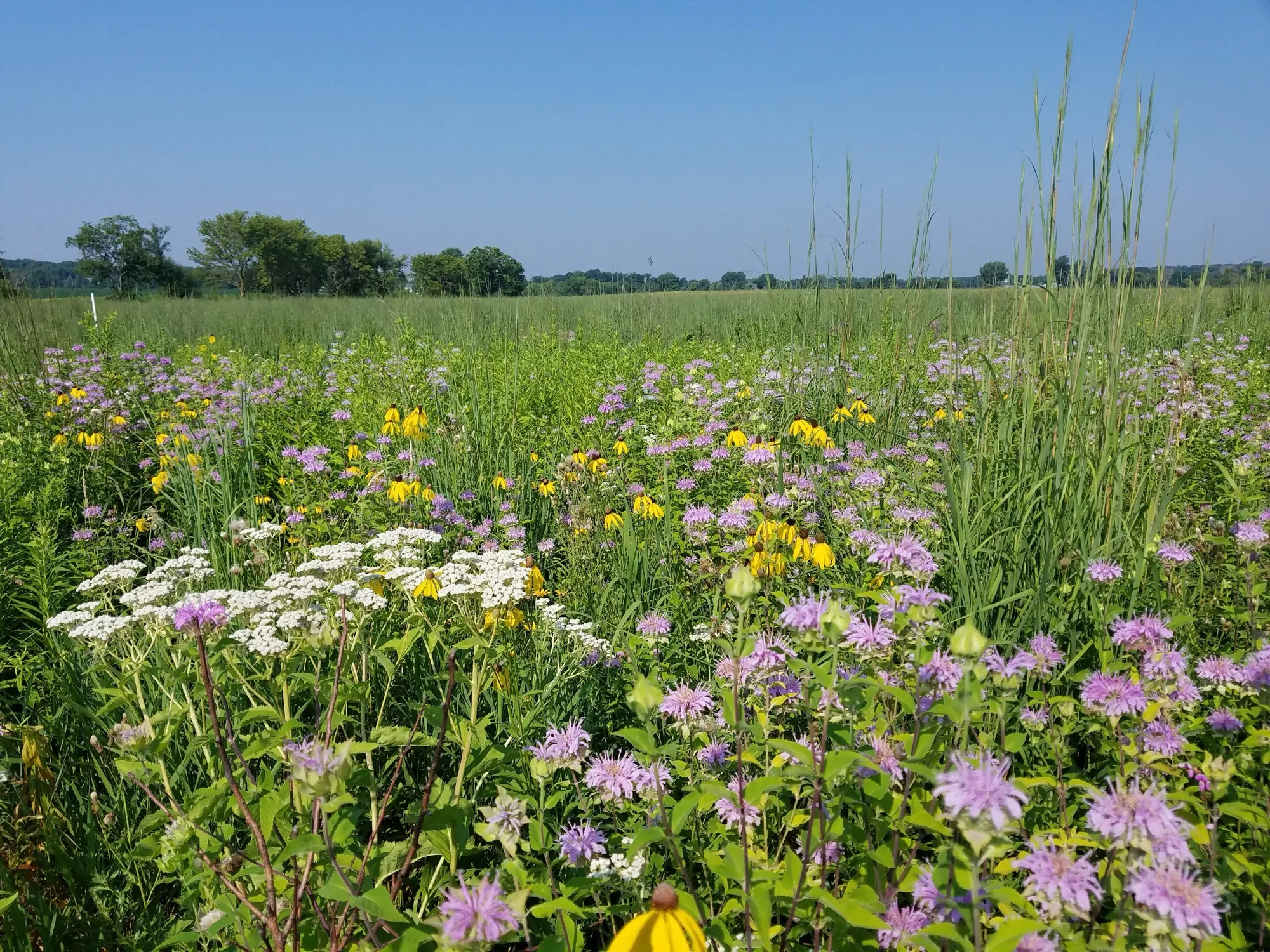
Much of the land is open. Campton Forest Preserve on Town Hall Road has wooded hilltops, marsh and prairie, with mowed-grass trails shared by hikers, cyclists and horse riders. Garfield Farm and Inn Museum, north of Route 38, is being restored as an 1840s prairie farm on more than 374 acres.
The homes
Almost all homes in Campton Hills are detached single-family houses, about 98% of the village’s roughly 3,800 housing units, and the median home was built in 1989. (Census ACS 2020–2024, via Census Reporter.) There are very few townhomes or apartments. Homes sit in subdivisions and on country lots rather than on a town grid. Among the oldest buildings are the 1840s farm buildings at Garfield Farm and the handful of structures around Wasco.
Utilities vary by area. The Wasco Sanitary District provides water and sewer only to the Fox Mill, Fox Creek and Wasco areas, and the Kane County Health Department oversees private wells and septic systems elsewhere. (Village of Campton Hills welcome booklet.)
Getting around
Campton Hills doesn’t have its own Metra station. Commuters typically drive to a Union Pacific West station such as La Fox or Elburn, with service to Ogilvie Transportation Center in Chicago.
Schools
Most of Campton Hills is served by St. Charles Community Unit School District 303. The north end is in Central Community Unit School District 301, and the far southwest is in Kaneland Community Unit School District 302. Walker confirms the assigned schools for each property.