By Walker Schuchardt, western suburbs Realtor · Market data Aug 2026

Living in Warrenville
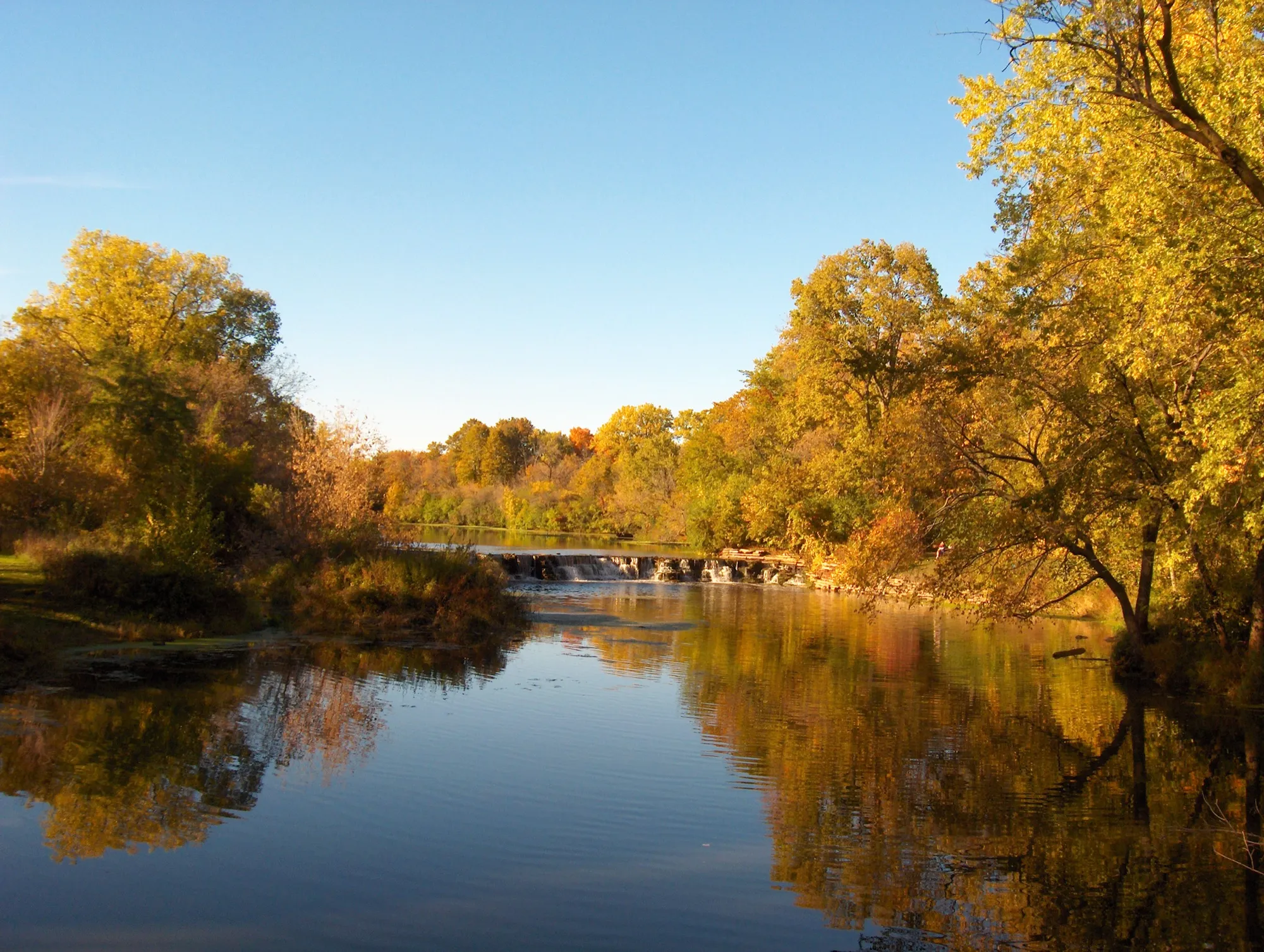
Warrenville began in 1833, when Julius Warren and his family claimed land along the West Branch of the DuPage River. It grew into a small mill town with an inn and a plank road to Naperville and Winfield. It incorporated as a city in 1967, with about 4,000 residents. Warren’s 1838 inn still stands, and the Warrenville Historical Museum is in an 1858 Greek Revival church that artist Adam Albright and his sons later used as a studio.
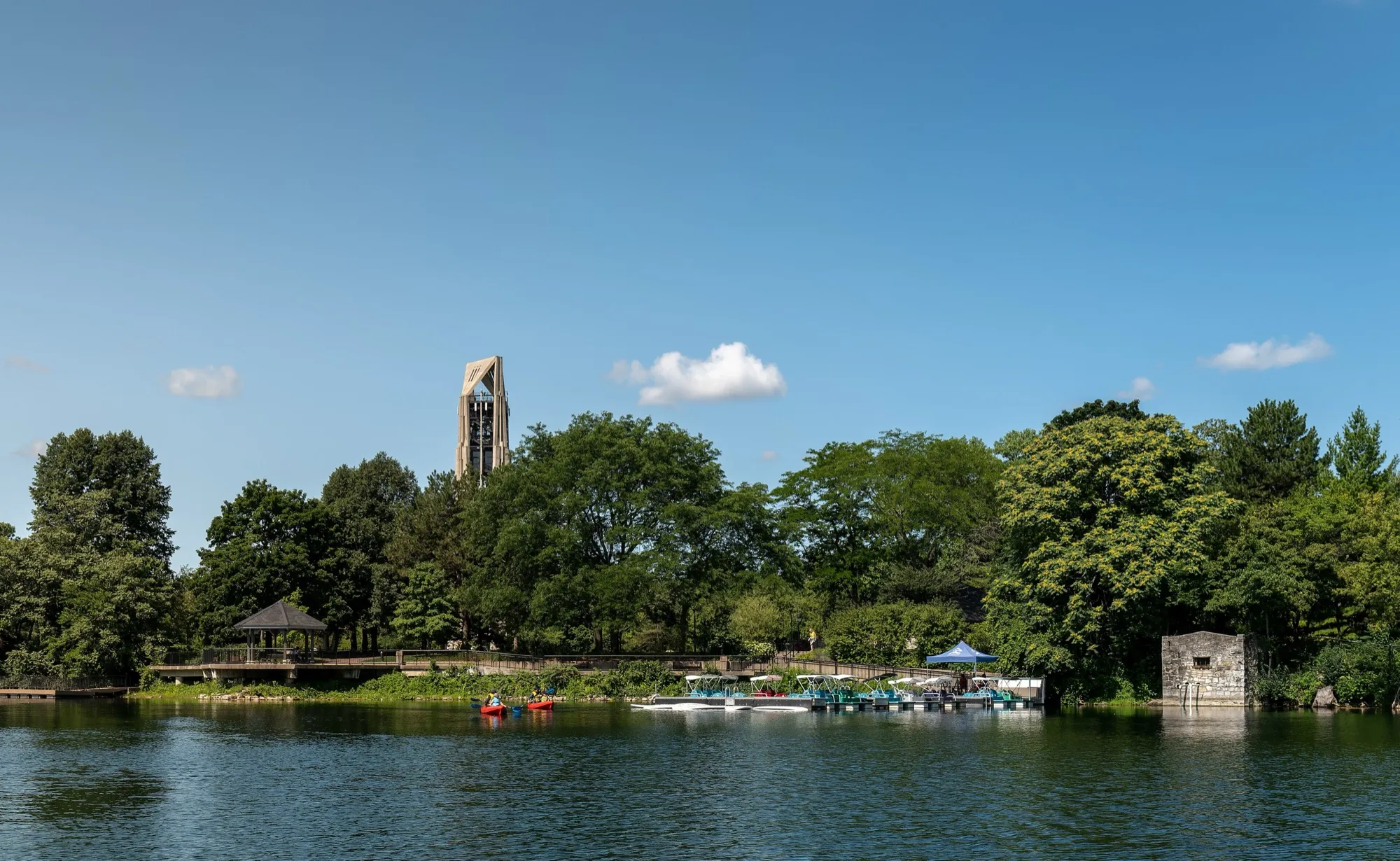
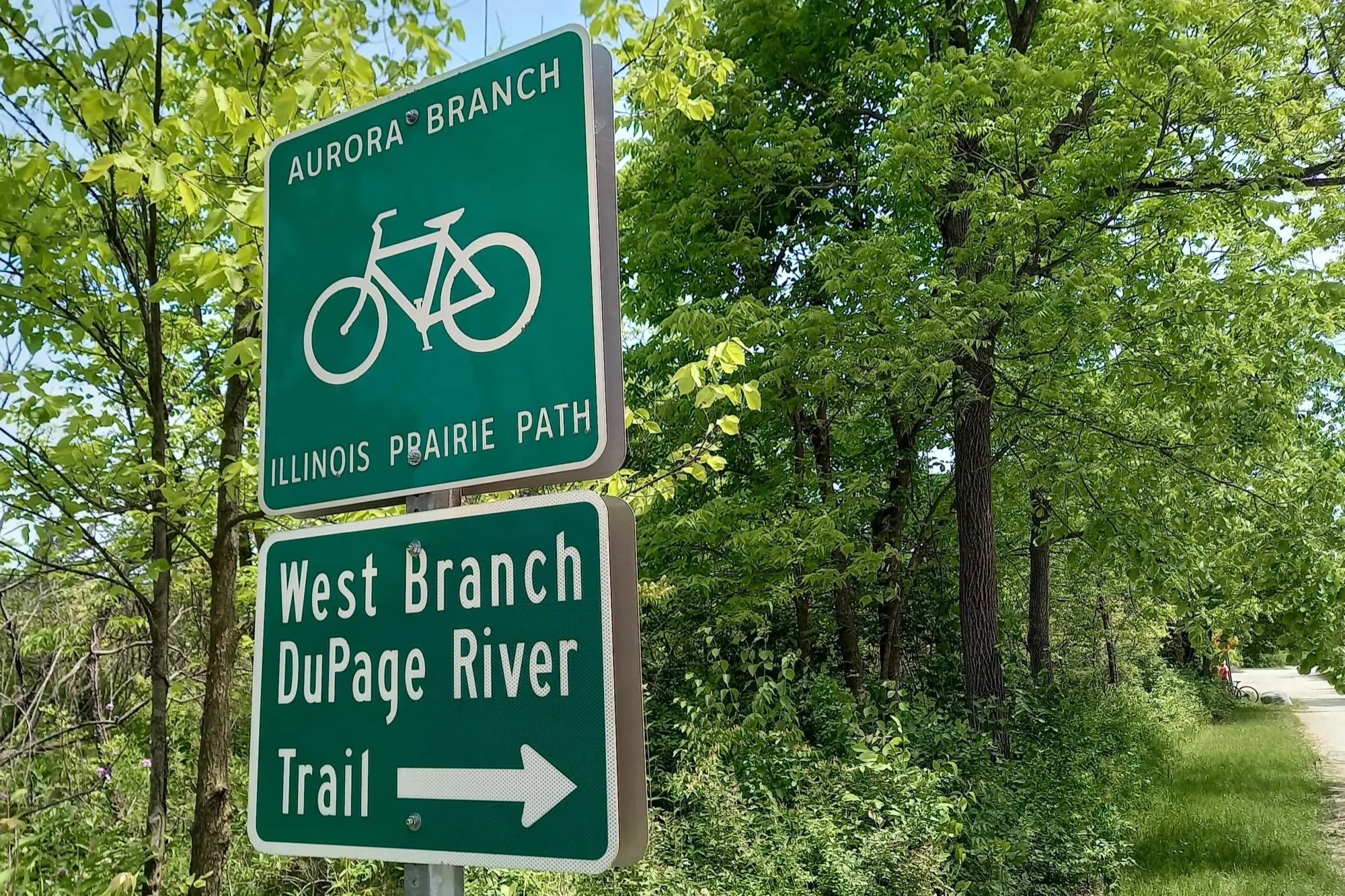
Much of the land around the city is forest preserve. Blackwell Forest Preserve, on Butterfield Road, has Mount Hoy, Silver Lake, camping and more than 7 miles of trails, and Warrenville Grove sits on Julius Warren’s original claim. The Illinois Prairie Path runs through town on the old Chicago Aurora and Elgin rail line. Cantera, built on a former limestone quarry along I-88, holds offices and a movie theater.
The homes
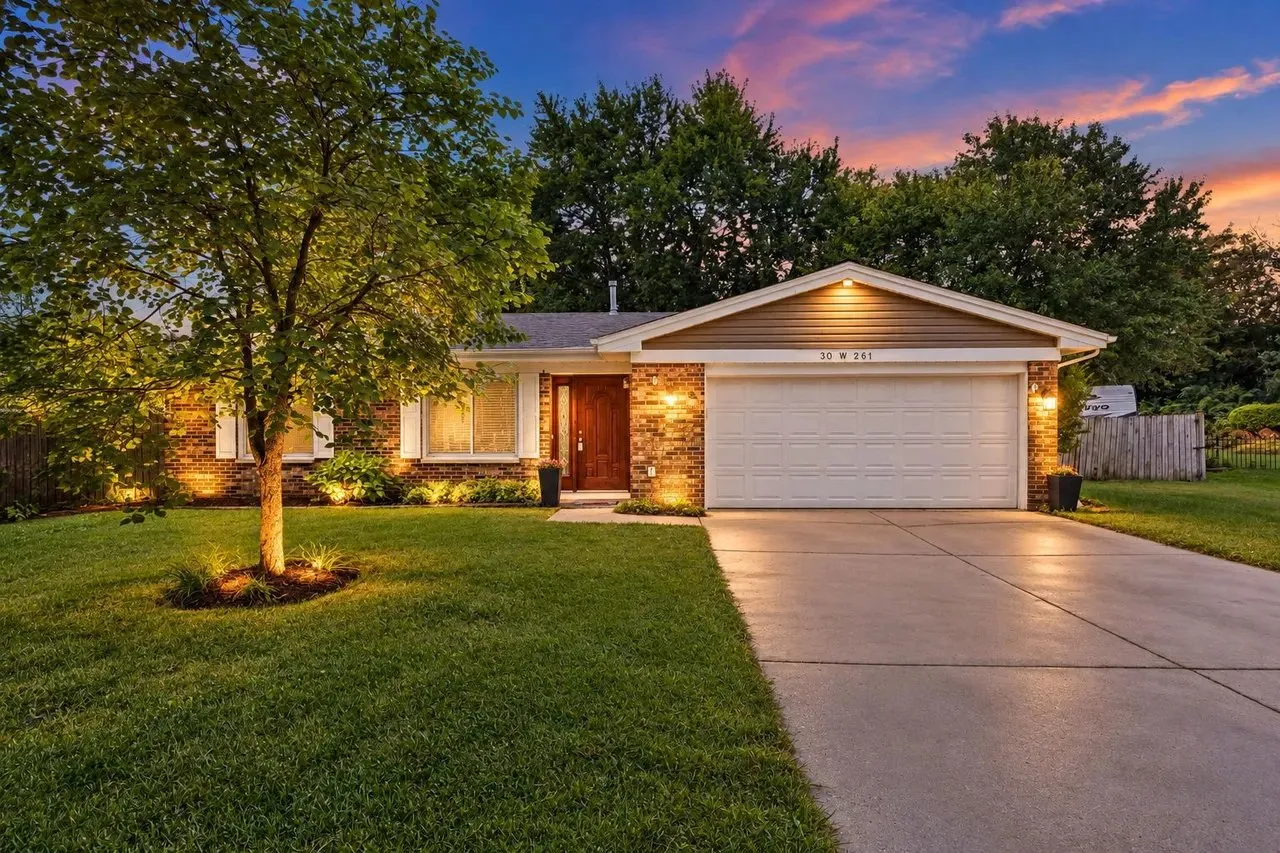
Warrenville has a broad mix of housing types. About 43% of units are single-family detached homes, 27% are townhomes and other attached units, and about 22% are in buildings with five or more units. The median home was built in 1982 (Census ACS 2020–2024).
The older neighborhood on the south side, near Galusha Avenue, has a mix of house styles from different eras. The Summerlakes and Fox Hollow subdivisions, next to Fermilab, were developed in the mid-1970s, as the city’s population nearly doubled through the 1970s and 1980s. On the east side, the Forest Preserve neighborhood has homes on wooded, multi-acre lots near Cantigny and McKee Marsh.
Getting around
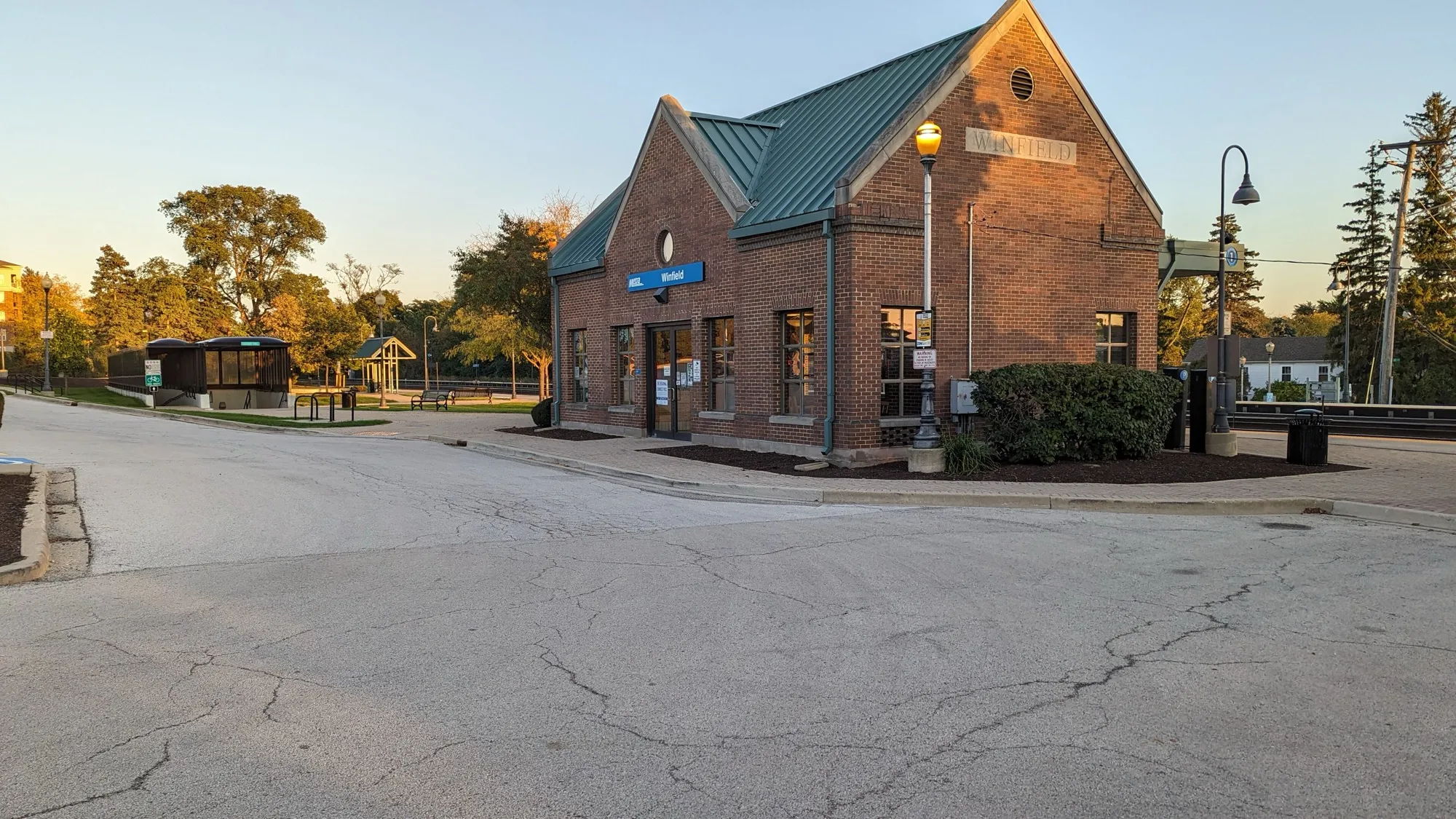
Warrenville has no Metra station of its own; commuters typically drive to Naperville (BNSF) or Winfield and Wheaton (Union Pacific West). Interstate 88 runs along the south side of the city.
Schools
Much of Warrenville is served by Community Unit School District 200, including Wheaton Warrenville South High School. Walker confirms the schools for each property.