By Walker Schuchardt, western suburbs Realtor · Market data Aug 2026
Living in Batavia
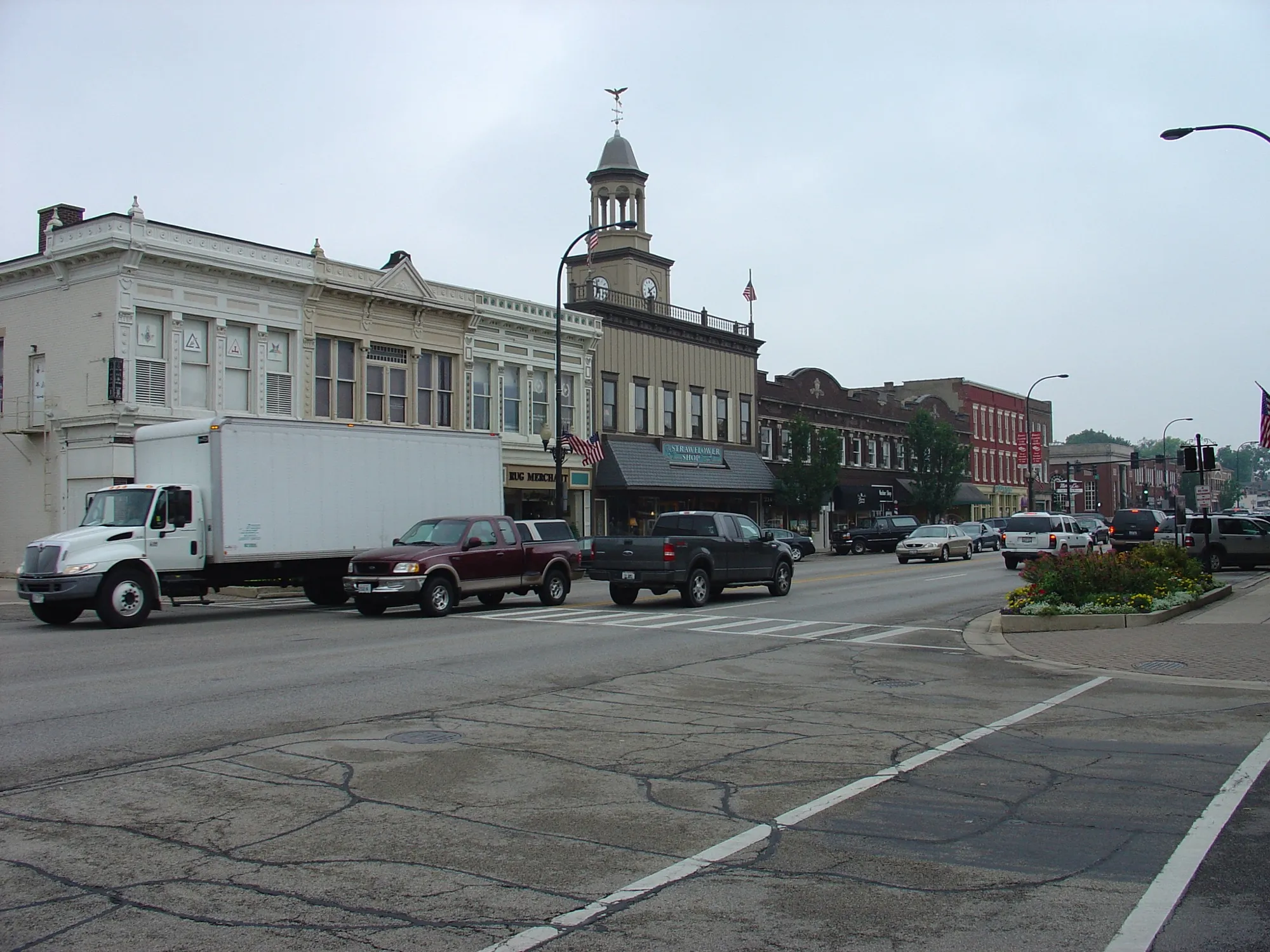
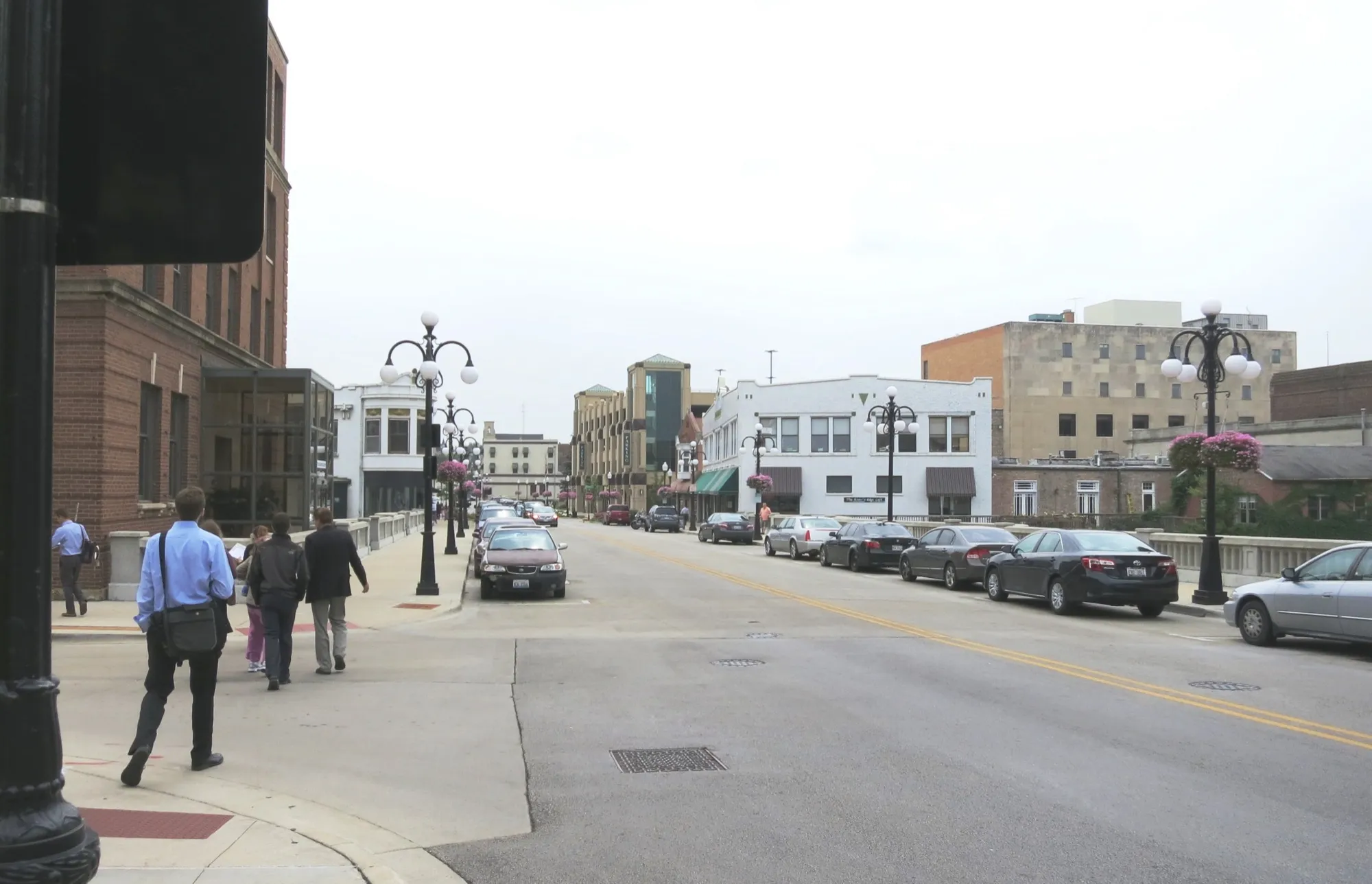
Batavia was settled in 1833 and grew as a factory town on the Fox River. In the late 1800s six windmill makers worked here, and many of the old limestone factory buildings are still in use as offices and storefronts. The Peace Bridge crosses the river downtown.
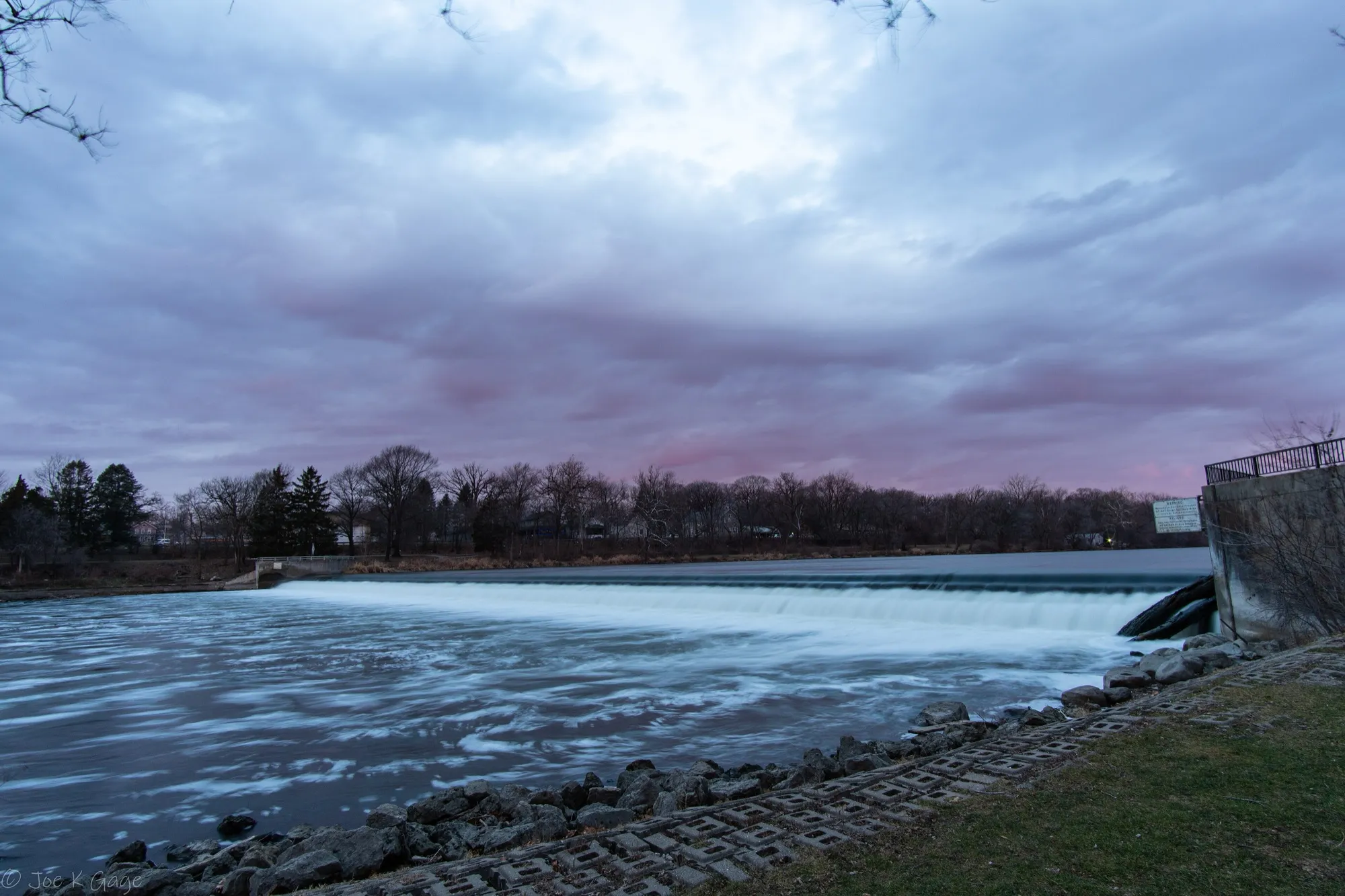
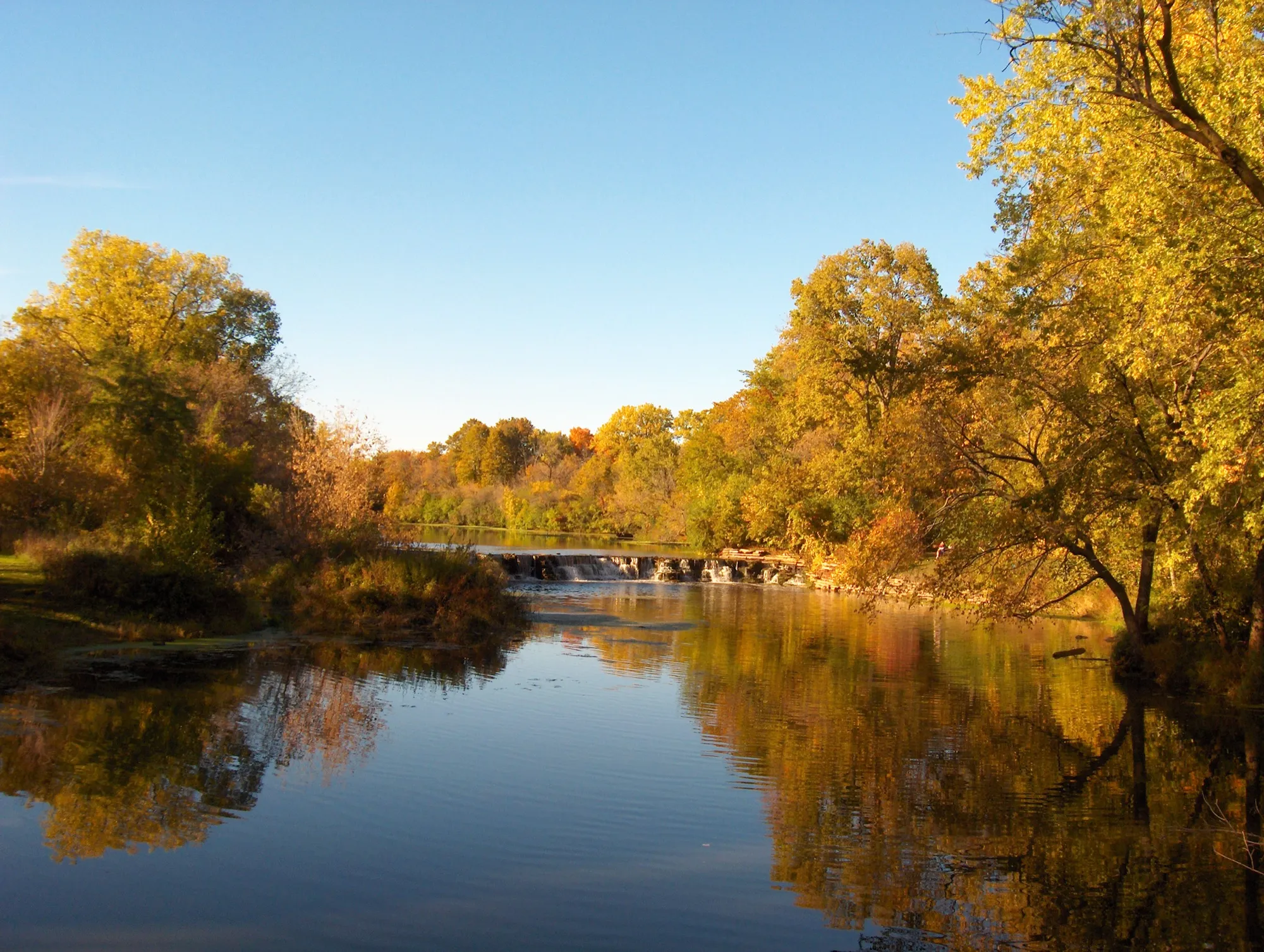
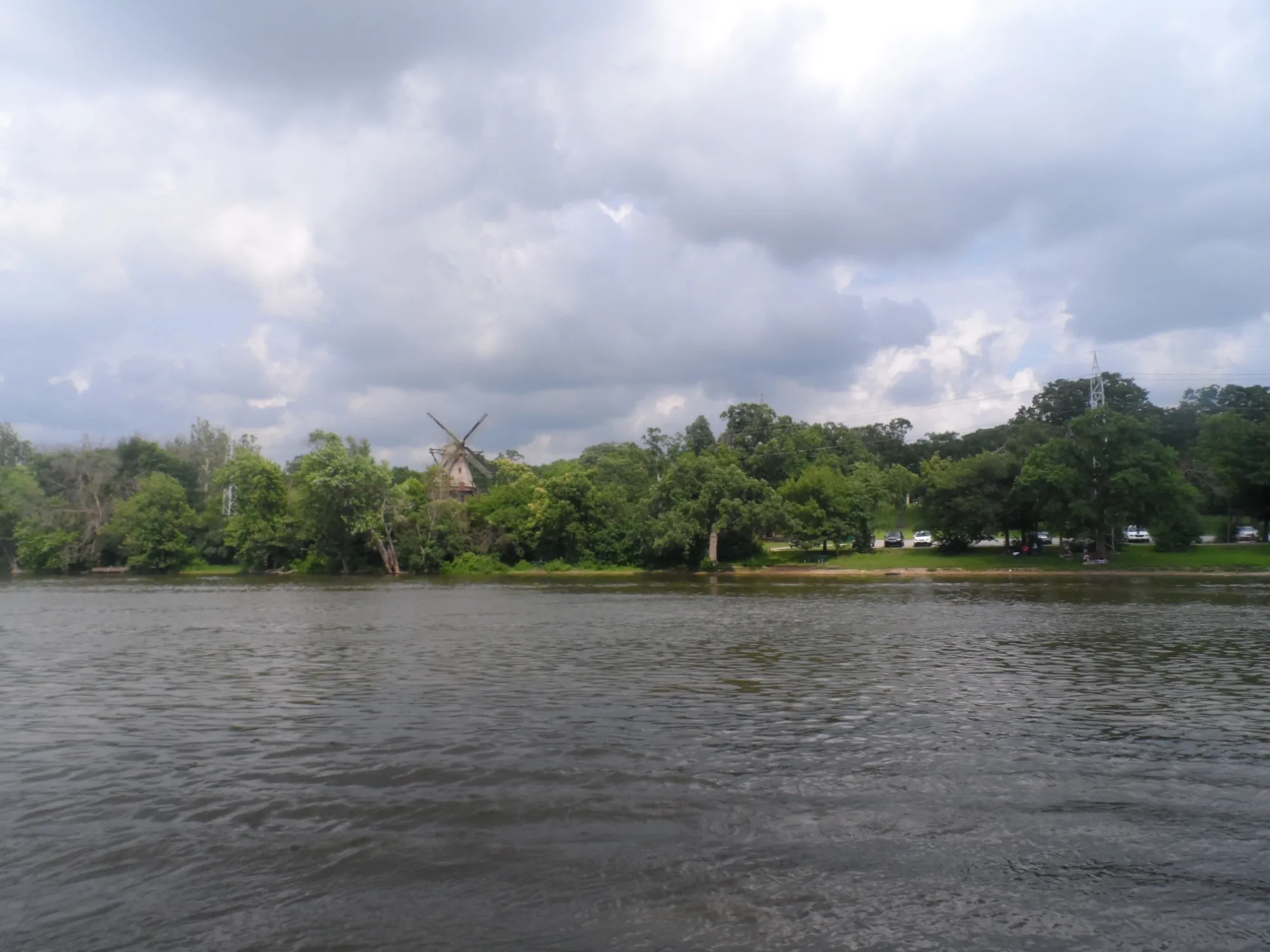
The Batavia Riverwalk is a 12-acre park along the river, built largely by volunteers, with restored Batavia windmills on display. Depot Pond is open for ice skating in winter when conditions allow. Each July the Riverwalk hosts the Windmill City Festival, which began downtown in 1956 as a sidewalk sale. Fermilab, the national physics laboratory, is just east of the city.
The homes
Some of the oldest buildings are built of local limestone. The Batavia Institute, a limestone school from 1853–54, is now apartments. The Judge Isaac Wilson House on East Wilson Street, a Greek Revival home from the 1840s, is on the National Register.
Most homes are newer. Batavia grew from about 7,500 residents in 1960 to 12,600 by 1980, and growth continued after that. The median home was built in 1985. About 68% of housing units are detached single-family homes, 11% are townhomes or other attached homes, and 14% are in buildings with five or more units. (Census ACS 2020–2024, via Census Reporter.) New construction continues, including the 242-unit Prairie Commons townhome development on South Kirk Road.
Getting around
Batavia doesn’t have its own Metra station. Commuters typically use the Union Pacific West terminal in Geneva or the BNSF station in Aurora. From Geneva, inbound weekday trains take about 76 minutes to Ogilvie Transportation Center (fastest 60); from Aurora, about 75 minutes to Chicago Union Station (fastest 54). (Metra weekday schedule, October 2026.)
Schools
Most of Batavia is served by Batavia Public School District 101, which includes Batavia High School. Small pockets of the city fall in Geneva CUSD 304 or West Aurora School District 129, so Walker confirms the assigned schools for each property.
Things to do
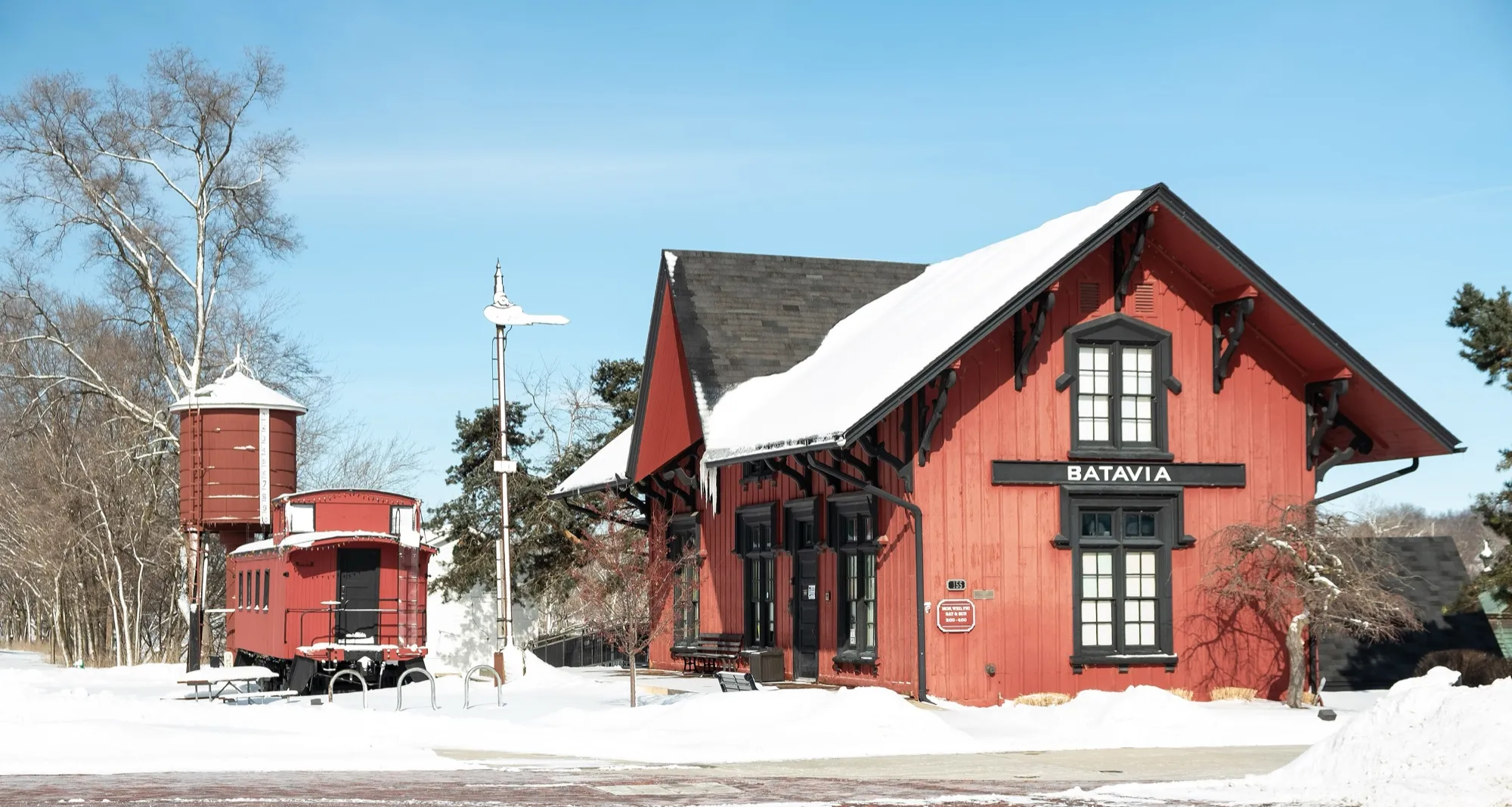
The Batavia Riverwalk, run by the Batavia Park District, connects by footbridge to the Fox River Trail on the east bank. The Batavia Depot Museum covers the city’s history, including its windmill makers.