By Walker Schuchardt, western suburbs Realtor · Market data Aug 2026
Living in Oswego
Oswego was settled in 1833 and laid out as Hudson, and in 1837 residents voted, by a single vote, to call it Oswego. It was the trading center for the surrounding farms, but it lost the Kendall County seat to Yorkville in 1864, and an 1867 fire destroyed the east side of the business district. The village stayed small for more than a century, then grew quickly from the mid-1980s on and expanded west across the Fox River.
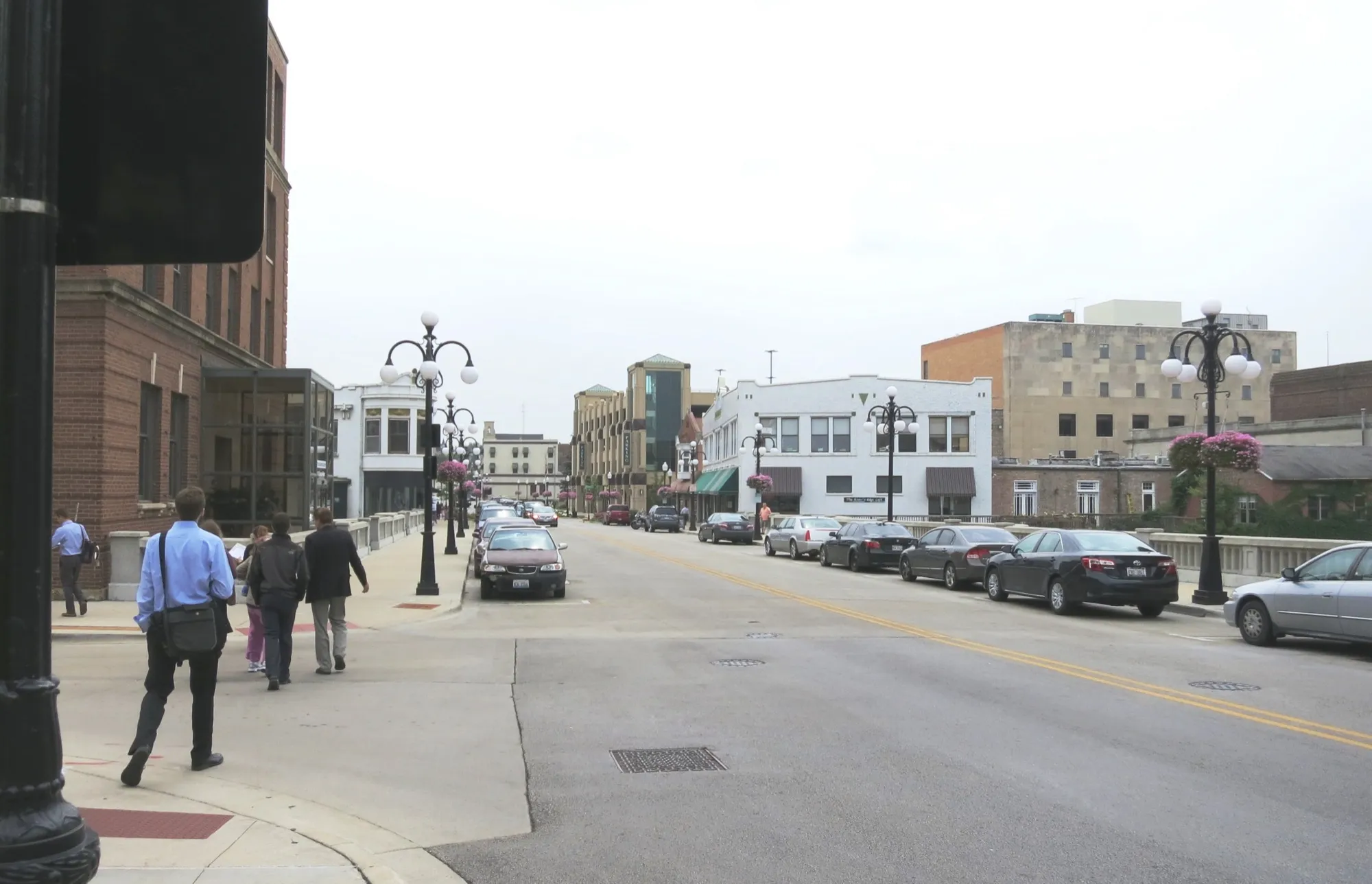
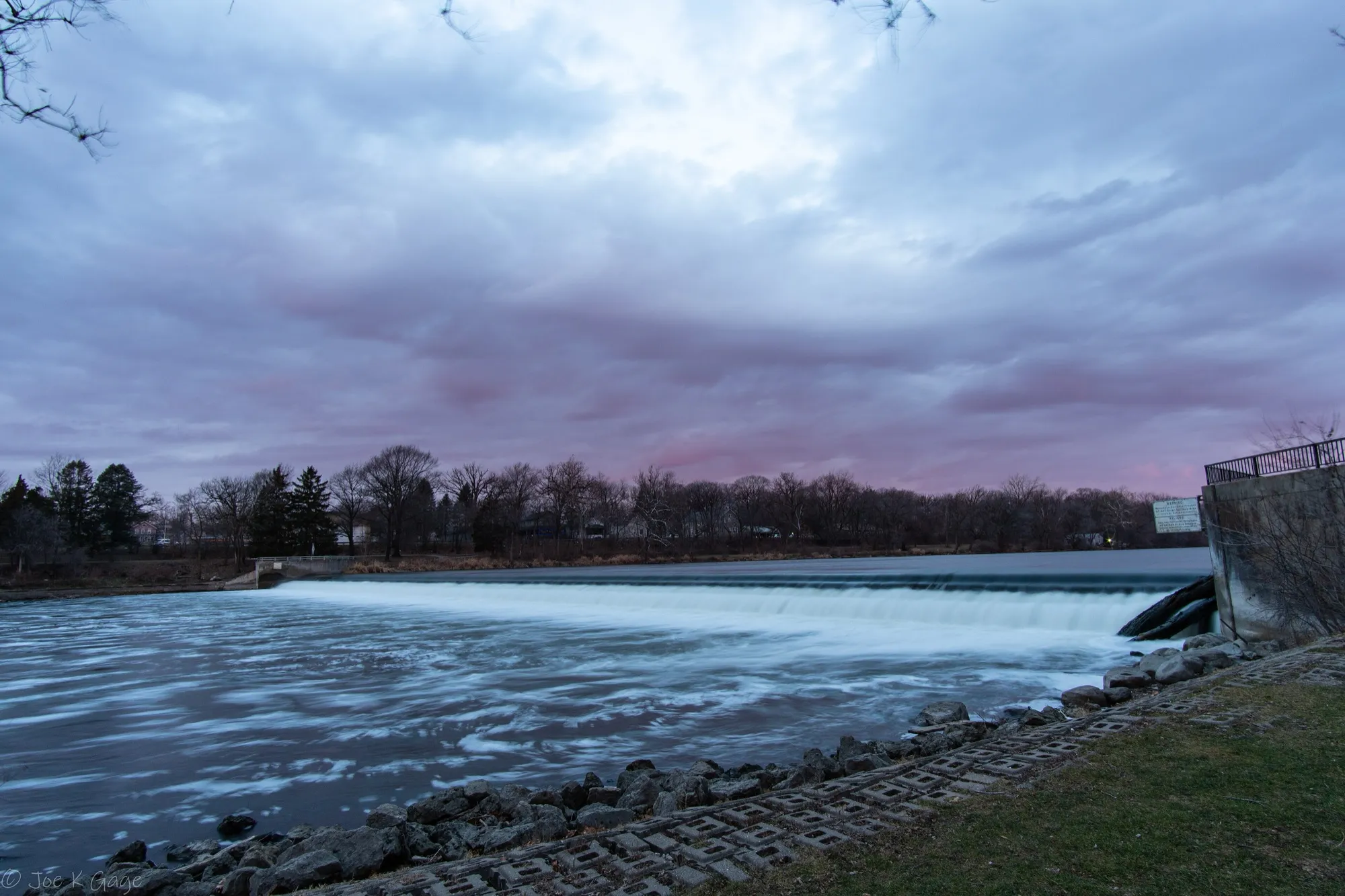
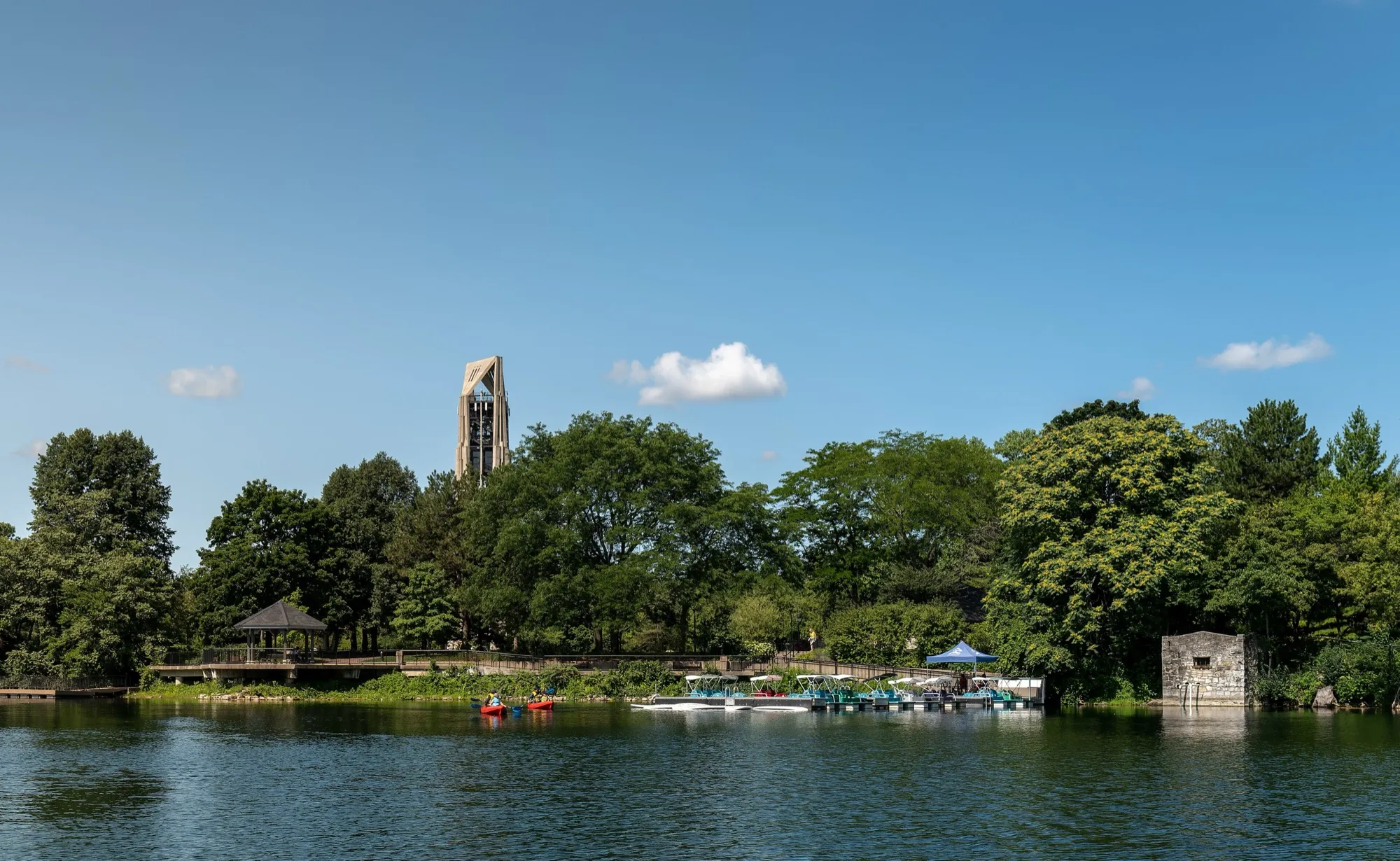
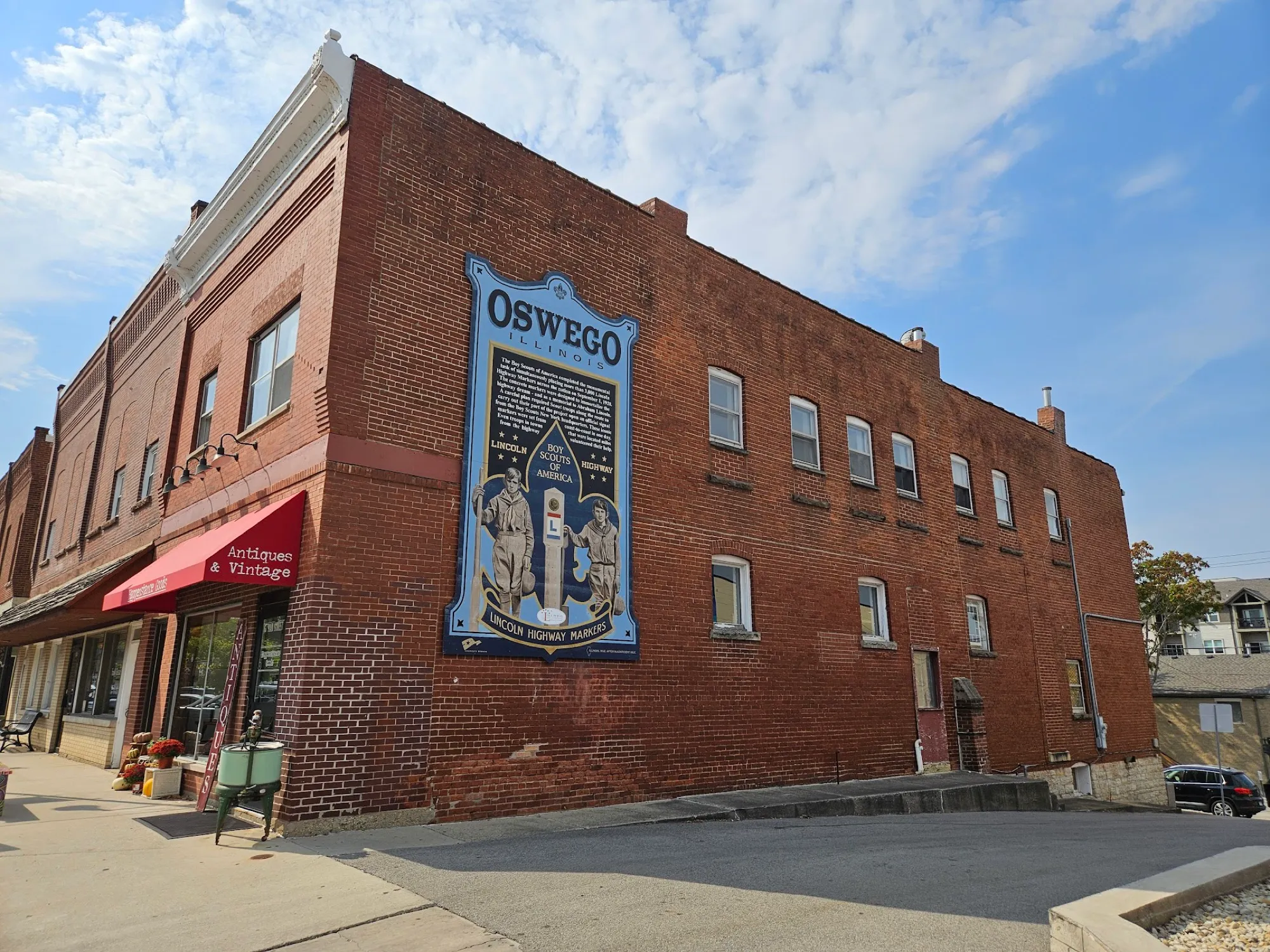
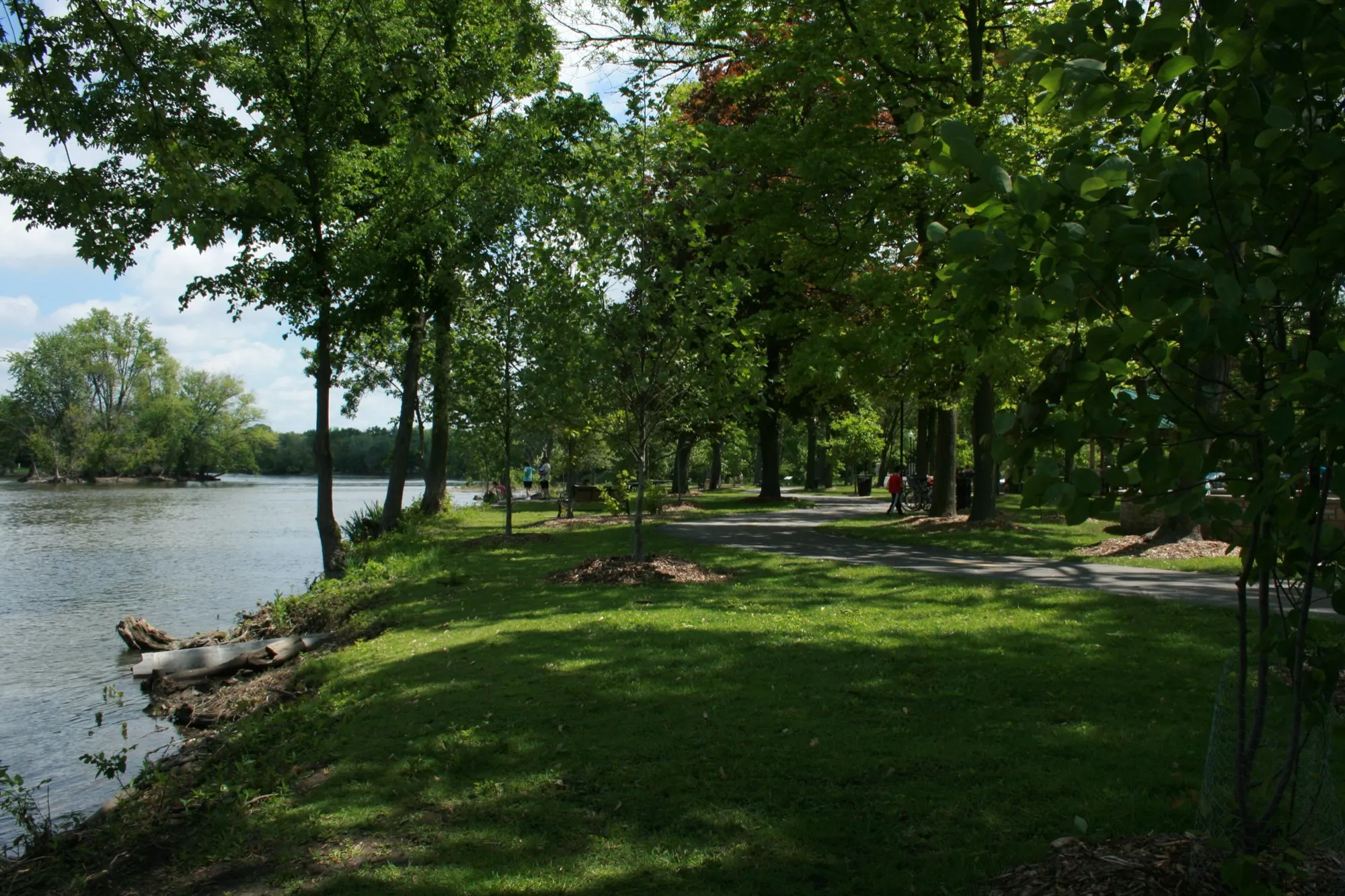
Downtown keeps its historic buildings, shops and restaurants. The Waubonsee Creek Promenade runs from Main Street to Hudson Crossing Park, which opened on the river in 2004. The Little White School Museum, built as a church in 1850 and used as a school from 1915 to 1964, is at Polk and Jackson streets. The Oswegoland Park District runs dozens of parks, trails and two aquatic parks, and coordinates the annual PrairieFest.
The homes
Most of Oswego’s housing is recent. The village had fewer than 4,000 residents in 1990 and more than 30,000 by 2010, and the median home was built in 2002 (Census ACS 2020–2024). That growth came mostly as single-family houses: about 72% of units are detached homes, 18% are townhomes and other attached units, and 7% are in buildings with five or more units.
The older homes are downtown and in the blocks around it, inside the original 1852 village boundaries of Harrison, Jefferson, Monroe and Benton streets. Boulder Hill, the neighborhood just north of the village that developed from the mid-1950s around new Caterpillar and Western Electric plants nearby, is a separate unincorporated community and not part of the village.
Getting around
Oswego doesn’t have its own Metra station. Commuters typically drive to a BNSF line station in Aurora, with service to Chicago Union Station. Routes 34, 30, 71 and 31 are the main roads through the area.
Schools
Most of Oswego is served by Oswego Community Unit School District 308, which includes Oswego High School and Oswego East High School. Some addresses are in Yorkville Community Unit School District 115. Walker confirms the assigned schools for each property.